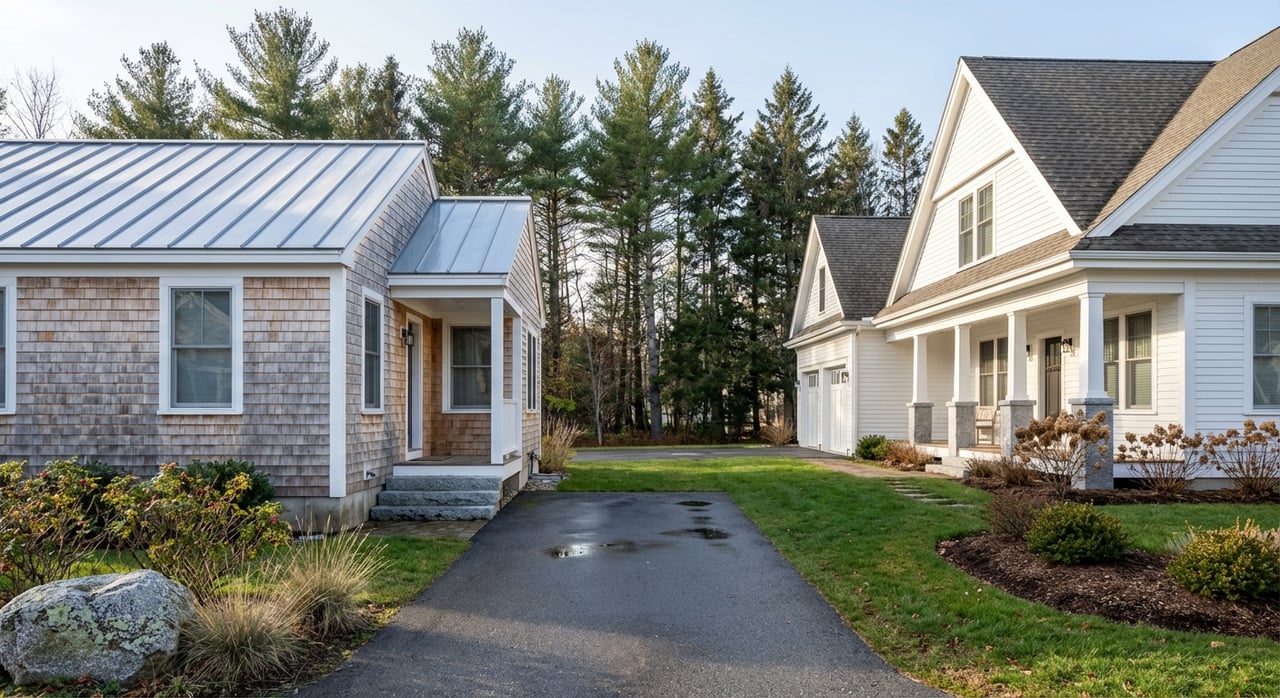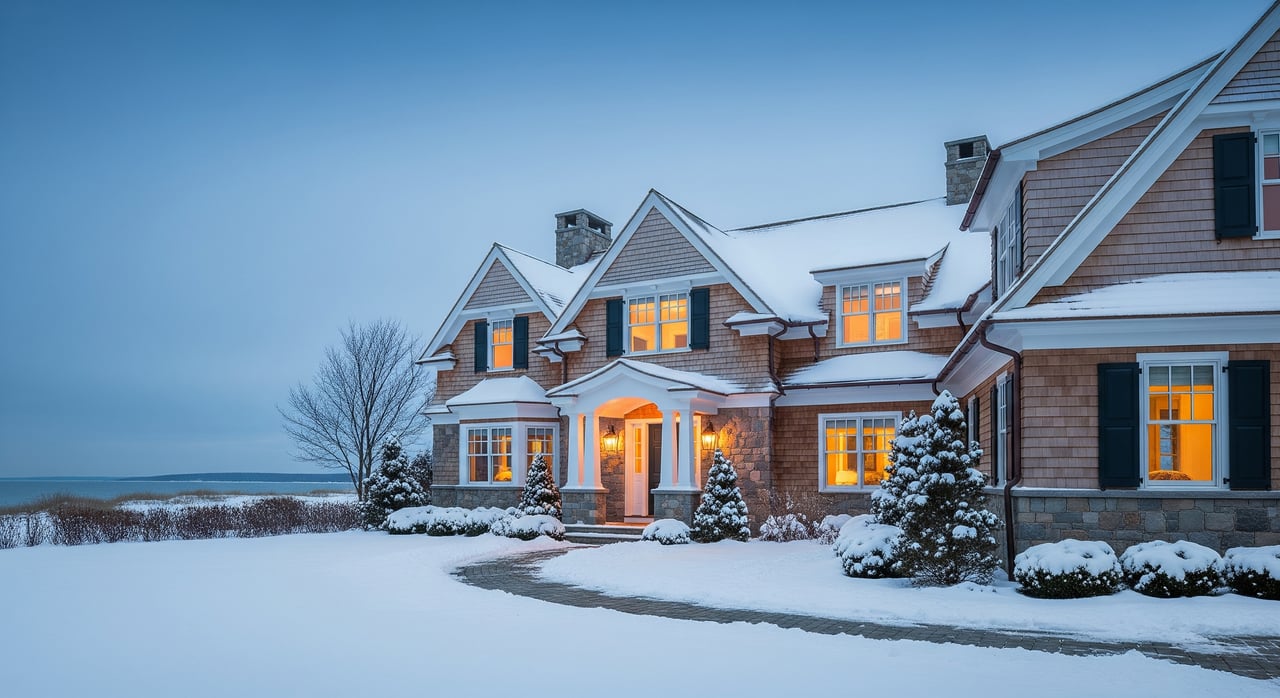
Thinking about buying a home in Saco this winter? You are not alone, and you may have more leverage than you think. Winter in Southern Maine often brings fewer buyers and a different pace, which can open doors if you plan well. In this guide, you will learn how seasonality shapes Saco’s market, what to watch during snowy showings, how to structure your offer, and the local checks that matter near the coast. Let’s dive in.
Saco’s winter market at a glance
In northern markets like Southern Maine, winter usually brings fewer new listings and less buyer traffic. Days on market often stretch longer, and sellers may be more open to concessions. That can mean less competition for you, though you will also see a smaller pool of homes.
In Saco, expect a tradeoff between lower pressure and fewer choices. If you need a specific feature, like a two-car garage or a particular neighborhood, be ready to move quickly when the right home appears. If your wish list is flexible, you may be able to negotiate price, credits, or timing.
How to get current local data
Market conditions shift week to week in winter, so check fresh numbers before you write an offer. Focus on active inventory, days on market, and recent sales in your price range. Ask your agent for Saco trends pulled from the statewide MLS.
Useful sources include Maine Listings for Saco-level stats, Maine Association of REALTORS market commentaries, and city and county property records for parcel histories. If you use public trend sites, verify those snapshots against MLS data.
Showing homes in snow and ice
Daylight and access tips
- Book showings mid-day for better light and visibility.
- Confirm parking, snow removal, and safe entry before you go.
- Bring winter footwear and expect to use shoe covers inside.
- Use high-quality video tours or 3D walkthroughs if storms limit access.
What winter reveals vs. hides
Winter can reveal HVAC performance, drafts or poor insulation, and ice dams or roof drainage issues. You may also spot signs of condensation, cold rooms, or frozen-pipe risks. Snow patterns can hint at grading and drainage problems.
Some items are harder to assess when covered in snow, like landscaping, full roof condition, and exterior paint or decking. Basement moisture from spring melt might not be obvious in mid-winter. Plan to fill the gaps with records and contingencies.
Inspections to prioritize in winter
Focus on systems that matter most in the cold. Test the heating system thoroughly and request recent service records. Heating fuel type in Saco (natural gas, propane, oil, wood, or heat pump) affects operating costs, so review utility bills for the past 12 to 24 months to estimate winter expenses.
Check plumbing in unheated spaces for insulation and freeze protection. Ask about the main shutoff location and past freeze issues. For roofs and gutters that are snow-covered, plan a spring follow-up inspection or negotiate a repair credit or warranty if condition is uncertain.
If the home has a chimney or woodstove, consider a specialist inspection for safety and creosote buildup. Septic systems can be harder to evaluate in frozen ground, so collect service records and consult with your inspector about what is feasible.
Use documents to fill seasonal gaps
- Request service records for HVAC, roof, and septic.
- Ask for seller disclosures and any prior inspection reports.
- Review utility bills to understand winter heating and electricity costs.
- Consider an escrow holdback or spring re-inspection clause if exterior items cannot be fully evaluated now.
Negotiation and offer strategy
Sellers who list in winter may be more flexible on price, credits, and closing dates. You can often keep standard inspection and financing contingencies without losing ground. That said, standout homes can still draw multiple offers, so stay realistic on terms.
Write a clean, responsive offer and avoid overly tight timelines that could be disrupted by storms or holidays. Ask for disclosures and key maintenance records upfront to reduce surprises later. If the roof or exterior is uncertain, propose a spring follow-up inspection or escrow holdback rather than requesting immediate major work during a freeze.
Financing, appraisal, and timing
Plan extra time for mortgage processing around year-end and federal holidays. Appraisers rely on recent comparable sales, which can be limited in winter. Work with your lender and agent to provide strong comps if seasonal volume skews the appraisal.
If you are considering a home near Saco Bay or along the Saco River, check flood zone status early. Homes in Special Flood Hazard Areas may require flood insurance, and getting quotes can add time to your timeline. Factor potential premiums into your budget before finalizing your offer.
Saco-specific checks to complete
Coastal and flood considerations
Saco has low-lying areas near the ocean and river where storm surge and flood risk are relevant. Review FEMA flood maps and local GIS layers for elevation and floodplains. Ask about past flood events, mitigation steps, and any elevation certificates.
Seasonal rentals and regulations
Saco and nearby coastal towns see strong summer demand, which shapes inventory and rental potential. If you are evaluating a second home or rental, verify current local ordinances and any limits on short-term rentals. Confirm whether a property has been used seasonally and how that impacts your plans.
Taxes, services, and utilities
Property tax rates, school district boundaries, and municipal services vary by neighborhood. Check Saco’s tax assessor records and learn how snow removal and plowing priorities affect access in winter. Review utility providers and service areas, and use recent bills to estimate typical winter costs.
Neighborhood and winter livability
Proximity to downtown, commuter routes, and coastal amenities will influence winter convenience. If you are relocating from a warmer climate, pay attention to road grades, driveway slopes, and parking during storms. Ask about community plowing schedules and private snow removal arrangements.
Budget and moving in winter
Moving in snow season can be more complex and expensive. If possible, target a stretch of milder weather and hire movers with winter experience. Build a buffer for closing and moving dates in case of storms.
Budget for heating fuel deliveries, pipe insulation, and winter storm prep right after closing. A small contingency for weather-related repairs or maintenance can reduce stress in the first few months.
Your next steps
- Get current Saco stats for inventory, days on market, and recent sales before you tour.
- Set up listing alerts and be ready to visit promising homes mid-day.
- Line up a local inspector comfortable with winter evaluations and plan for spring follow-ups if needed.
- Talk with your lender about timelines, comps, and any flood insurance requirements.
- Work with a local advisor who knows Saco’s coastal nuances and seasonal patterns.
To get current Saco inventory and personalized timing advice, set up listing alerts and schedule a short strategy call to review your priorities and timelines. If you are ready to take the next step, connect with Tia Chambers for local guidance.
FAQs
Is winter a good time to buy in Saco?
- It can be, because competition and prices are often more flexible, but inventory is limited and some exterior inspections are harder, so weigh leverage against selection.
How does winter affect appraisals in Saco?
- Appraisals rely on recent comparable sales, and lower winter volume can mean older comps, so coordinate with your lender and agent to present strong data if needed.
What inspection limits should I expect in winter?
- Snow and ice can hide roof, deck, and landscaping conditions; use service records, photos, and a spring re-inspection or escrow to address unknowns.
Do I need flood insurance for a Saco coastal home?
- If the property is in a mapped Special Flood Hazard Area, lenders often require coverage, so check FEMA maps early and get quotes to understand total costs.
How can I find winter listings quickly in Saco?
- Set MLS-driven alerts, preview high-quality virtual tours, and work with an agent who monitors new and pocket listings to move fast when the right home appears.