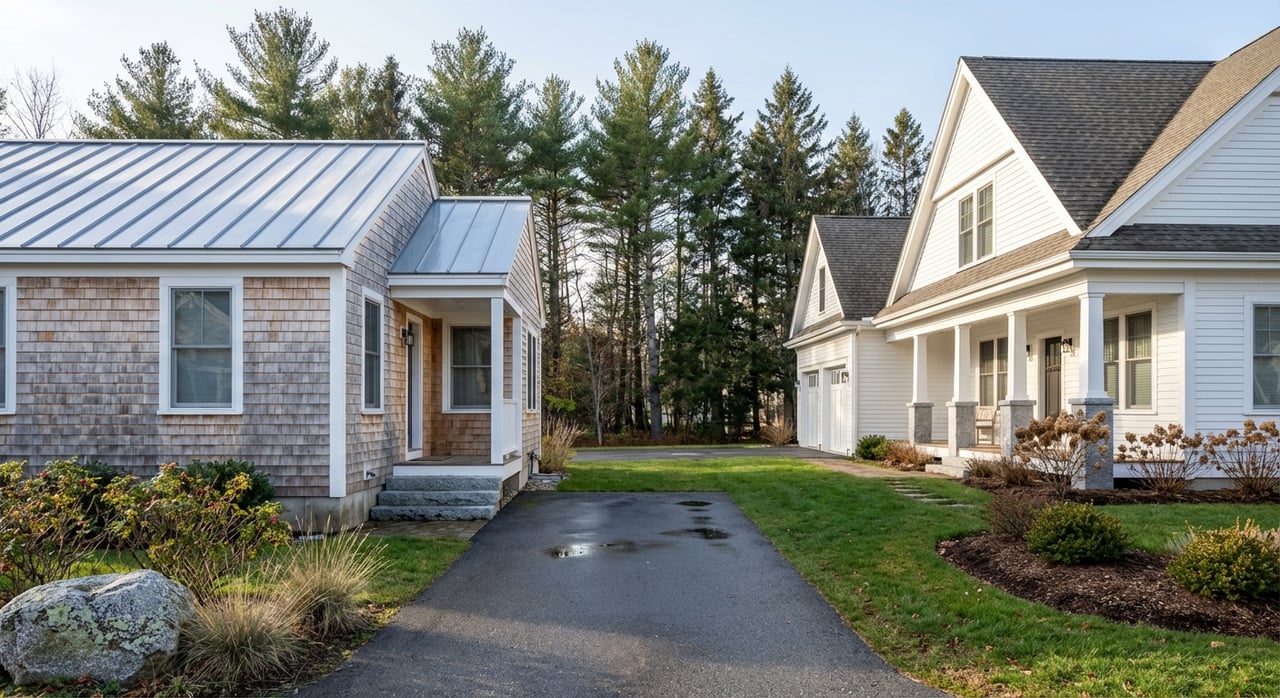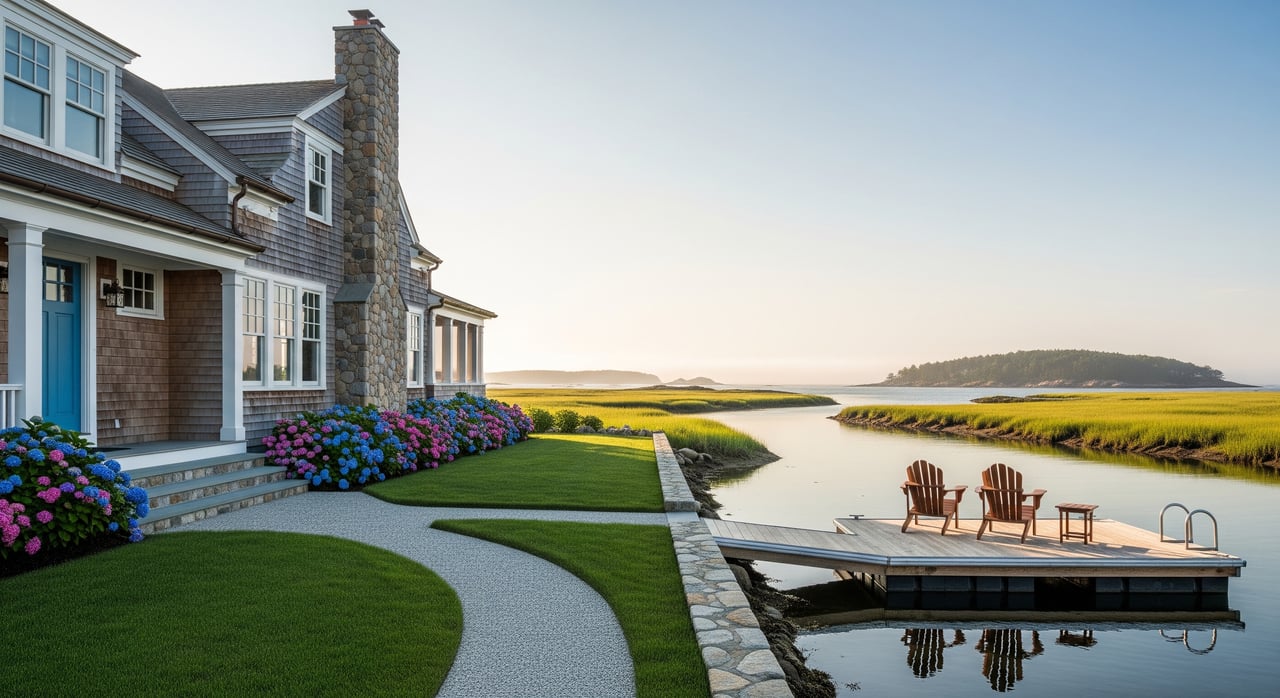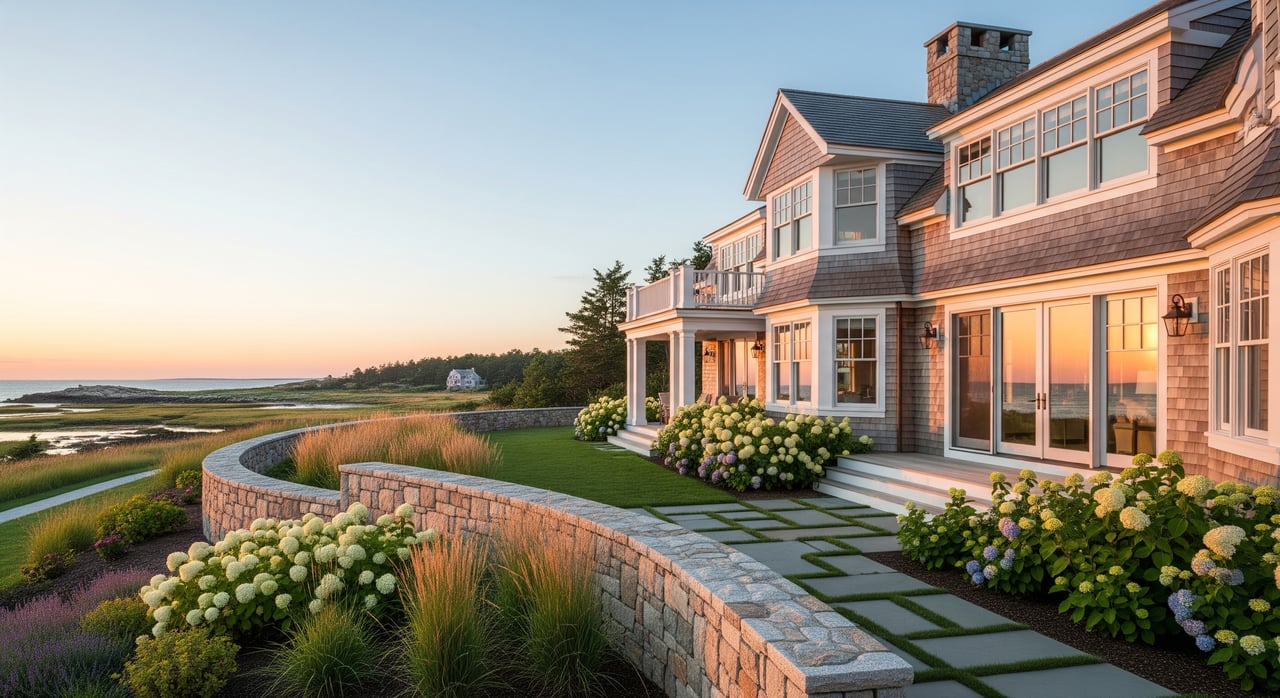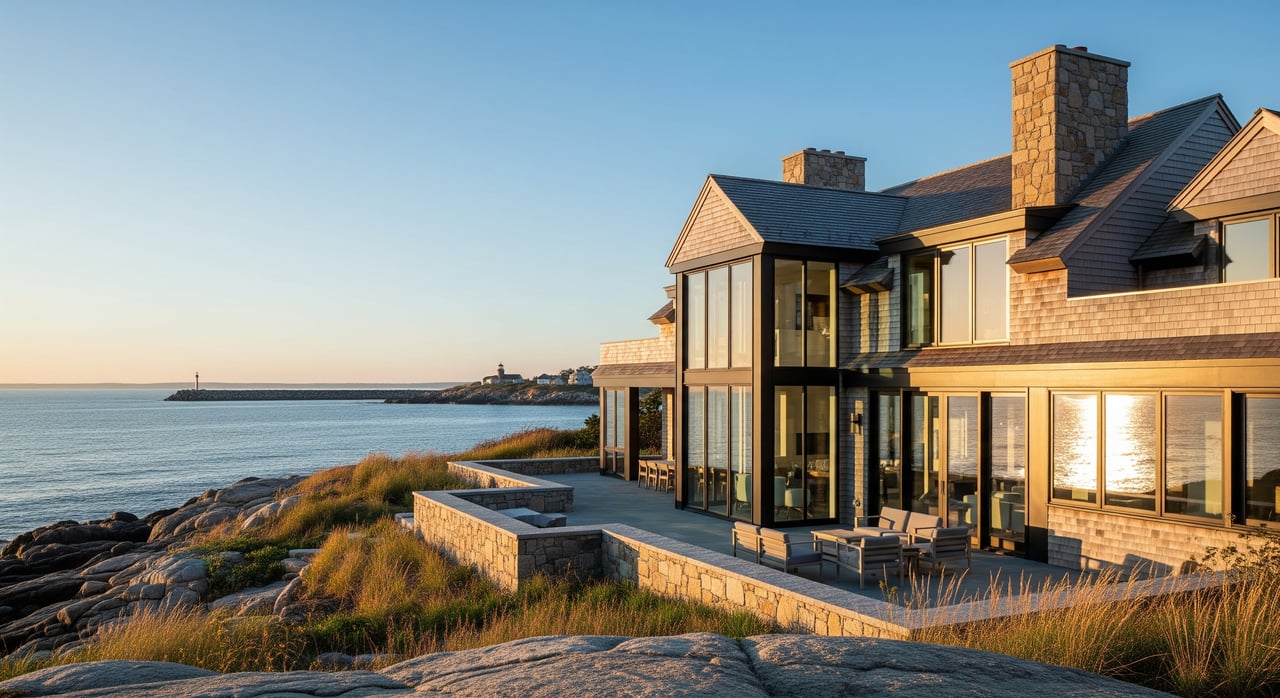
Is your Cape Elizabeth home built around the view, the water, or both? Pricing it right is not about guessing the number a buyer will love. It is about proving the value behind that view, the access, and the lifestyle, then presenting the home so the market can see it clearly. If you want to protect time on market and maximize your net, you need a plan that blends data, documentation, and smart marketing. This playbook walks you through how to price a luxury property in Cape Elizabeth with confidence. Let’s dive in.
What “luxury” means locally
Luxury is a moving target, and in coastal Southern Maine it is defined by both price and property traits. Industry practice often treats the top slice of the market as luxury. In Cape Elizabeth and nearby coastal towns, that threshold commonly starts around the seven-figure range, but the exact figure shifts with recent sales. The right way to define it for your home is to review the latest Cape Elizabeth data and match for view, access, and finish level.
What matters even more than a price band is whether your home offers the features high-end buyers seek here. In Cape Elizabeth, that often means ocean outlooks, proximity to landmarks like Fort Williams Park and Portland Head Light, and quick access to Portland, usually a 10 to 20 minute drive depending on where you start.
The value drivers that move price
Not all ocean properties are valued the same. These are the elements that most often drive price in Cape Elizabeth’s luxury segment.
Water view quality and permanence
Unobstructed, panoramic ocean views carry the strongest premium. Full open-ocean sightlines are valued more than partial or seasonal views. Document whether views are likely to remain open over time, since permanence reduces risk for buyers.
Direct water access and type
Private beach access, stairs to tide flats, a mooring or the ability to pursue dockage, and deep-water access increase value. Nearby public access is helpful, but it typically adds less value than deeded private access.
Shoreline type and exposure
A rocky bluff, a sandy beach, or a protected cove each tells a different story about usability and maintenance. Buyers weigh erosion exposure and the long-term stability of the shoreline, so be ready to discuss what you have and why it matters.
Proximity to Cape Elizabeth amenities
Close access to Fort Williams Park, Portland Head Light, Two Lights State Park, Crescent Beach, marinas, and popular dining can support premium pricing. Aerial visuals help buyers see this clearly.
Privacy, lot, and landscape
Privacy from neighboring homes, mature plantings, usable lawn, and well-designed outdoor living spaces are important at the upper end. Larger or elevated lots often earn a premium.
Construction quality and systems
High-end kitchens, well-finished baths, updated HVAC, whole-home generators, and restored historic details add perceived value. Buyers pay for craftsmanship and for fewer big-ticket surprises after closing.
Orientation and light
Ocean views with strong sun exposure or sunset appeal can win hearts and justify stronger pricing. Orientation helps photos and showings, which drives demand.
Risks and cost factors to price in
Luxury buyers are detail oriented. Address known risks up front to protect your price.
- Flood zone status, coastal erosion risk, and any seawall needs can affect both value and the buyer pool. Insurance costs may be material for exposed properties.
- Limited year-round access, parking constraints, or septic limits on expansion can reduce flexibility for a future owner.
- Local shoreland zoning, setbacks, and conservation restrictions can limit changes to the home or site. Make clear what is permitted and what is not.
When you quantify these items and disclose them early, you build trust and reduce the chance of late-stage price pressure.
Choosing the right comps in Cape Elizabeth
In view and proximity markets, the right comps are close in both geography and features. Here is how to do it well.
- Start within Cape Elizabeth. If results are thin, expand carefully to nearby coastal neighborhoods in Portland, South Portland, or Scarborough that share shoreline characteristics.
- Use a tight radius for strong view properties, often within a half-mile to two miles, because micro-location matters on the coast.
- Consider 6 to 12 months of sales in active periods. In slower luxury cycles, look back 12 to 24 months, then adjust for market movement.
- Match view type first. A full open-ocean view is not comparable to a partial or harbor view. Then match access rights, lot topography, finish level, and effective age.
Making smart adjustments
Once you have comps, you need to bridge the gaps. Use clear, documented adjustments and show a range.
- View adjustment. Tier it by full unobstructed, partial or intermittent, and none. Quantify using the best available local evidence and note your assumptions.
- Access adjustment. Private beach or dock supports a larger premium than nearby public access. Deep-water access is valued above tidal flats.
- Lot and privacy. Larger lots, elevated bluffs, and strong privacy typically earn premiums. Proximity to a busy road or public easement may require a discount.
- Condition and amenities. High-end renovations, modern systems, and quality outbuildings justify positive adjustments. Deferred maintenance, seawall repair needs, or older systems pull value down.
- Time and season. If you rely on older comps, apply a market trend adjustment. In Cape Elizabeth, seasonality shapes buyer activity, so weigh the most recent, relevant sales more heavily.
Present two scenarios for clarity: a conservative valuation for a faster market-clearing price and an aggressive valuation for a longer marketing plan. This keeps expectations realistic.
When true comps are scarce
Unique coastal homes sometimes defy standard comparison. You can still build a reliable pricing case.
- Use multi-sale analytics where possible to see how view, access, and lot size shift price across many records.
- Consider a replacement-cost plus land value perspective for custom or architecturally significant homes.
- Use price per square foot as a secondary check only, adjusted for view quality and lot value. In luxury, finish level and site premiums vary widely, so PSF alone can mislead.
Pick a pricing strategy that fits your goal
Your list price should match your timeline and risk tolerance.
- Market-maximizing price. Aim high to capture buyers willing to pay premiums for view and access. Expect longer time on market if the price is ahead of perceived value.
- Market-clearing price. Align with likely appraisal and close to the center of the comp set. This can shorten time on market and reduce the chance of price cuts.
- Strategic underpricing. In luxury with a smaller buyer pool, this is rarely the best move. It can spark competition, but you risk leaving value on the table unless demand is truly deep.
Presentation that supports your price
Great marketing shows buyers the value you are asking them to pay. In Cape Elizabeth, strong visuals and clear documentation are essential.
- Professional photography, drone, and twilight images are critical for view-driven homes. Aerials show sightlines, shoreline, and proximity to parks and beaches.
- High-quality virtual tours and detailed floor plans matter because many luxury buyers shop from outside the region.
- A property dossier builds credibility. Include survey, septic information, shoreline or seawall assessments, view corridor notes, and recent maintenance records. Buyers at this level expect clear, factual materials.
- Staging indoors and out. Clear view lines from main living areas, trim vegetation where allowed, and stage outdoor rooms to highlight how the property lives.
- Timing. Late spring and early summer can increase exposure for coastal listings. Balance that with a narrative that proves year-round comfort and readiness for storms.
Financing, appraisal, and closing realities
Many high-end buyers use jumbo financing, which comes with more documentation and closer appraisal scrutiny. Help the appraiser by providing your comps, adjustment logic, and property dossier. Reduce cost-of-ownership surprises by sharing recent insurance quotes for hazard and flood where relevant.
Expect thorough inspections of shoreline structures and systems. Clearing permit or conservation questions early prevents delays later.
Negotiation levers that protect value
- Provide pre-listing inspections and reports. Transparency lowers buyer uncertainty and supports your price.
- Decide how to handle known capital items. You can offer a credit, adjust price, or market as-is with full disclosure. Your choice shapes your buyer pool and negotiating posture.
- Consider flexible terms that widen the buyer pool, such as accommodating out-of-area showings during peak season. For financing friction points, some sellers consider credits for rate buydowns, subject to legal and tax advice.
Your step-by-step pricing playbook
Use this checklist to move from estimate to confident list price.
- Define the asset
- Document your view type, orientation, and permanence. Photograph key sightlines.
- Outline water access, including any deeded rights or mooring history.
- Describe shoreline type, exposure, and any protective structures.
- Gather facts and reports
- Pull recent Cape Elizabeth sales of similar view and access quality from the past 6 to 12 months when possible.
- Collect site data: flood zone, erosion or storm history, septic capacity, setbacks, and conservation details.
- Compile operating costs, including recent property taxes and insurance estimates.
- Build your comp set
- Prioritize within-town sales, then expand carefully to nearby coastal neighborhoods with similar shoreline.
- Match on view first, then access, lot, finish level, and effective age.
- Note sale date, proximity to your home, financing type if known, and any showing notes.
- Make clear adjustments
- Quantify view and access differences with tiered logic, and show both conservative and aggressive versions.
- Adjust for lot size and privacy, systems and finish quality, and any deferred items.
- Apply time adjustments if using older sales.
- Choose your listing strategy
- Decide between market-maximizing and market-clearing based on your timeline and risk tolerance.
- Set a target price range, a launch price, and pre-plan evaluation checkpoints at 14 and 28 days.
- Produce the marketing package
- Schedule professional photos, drone, twilight, floor plans, and a virtual tour.
- Prepare the property dossier with survey, septic, shoreline documentation, and key maintenance records.
- Stage interior sightlines and outdoor living areas to showcase the view and access story.
- Launch with timing in mind
- If possible, time for late spring or early summer to capture peak coastal interest.
- Offer organized showings and open houses that respect privacy and present the home at its best light.
- Monitor and adapt
- Track showing feedback, online engagement, and any appraisal chatter early.
- If demand is thin after two to four weeks, revisit your comp set and adjustment logic before making changes.
Ready to price with confidence?
A strong number comes from strong proof. When you document the view, access, shoreline, and systems, then market the story with high-quality visuals, you give buyers every reason to meet your price. If you want a clear, local plan for your Cape Elizabeth home, connect with an advisor who blends neighborhood insight with professional listing production and broad exposure.
If you are considering a move, schedule a friendly strategy session with Tia Chambers. You will get local context, a comps-backed pricing range, and a step-by-step launch plan tailored to your property.
FAQs
What qualifies as a luxury home in Cape Elizabeth?
- Luxury typically refers to the top slice of local sales by price and features, often around the seven-figure range, but the precise threshold varies and should be confirmed with recent Cape Elizabeth data.
How much do ocean views add to price in Cape Elizabeth?
- Full, unobstructed open-ocean views can command a significant premium over partial or seasonal views, which is why you should tier and document view quality when setting price.
How do I pick comps for a unique waterfront property?
- Start with Cape Elizabeth sales that match your view and access, then expand carefully to nearby coastal neighborhoods only if needed, adjusting for time, lot, privacy, and finish.
When is the best time to list a coastal home in Cape Elizabeth?
- Late spring and early summer often bring more coastal buyer activity and stronger marketing conditions, though you should still present year-round livability in your materials.
How do flood zones and insurance affect luxury pricing?
- Flood zone status, erosion exposure, and insurance costs can narrow the buyer pool and reduce value, so disclose documentation and recent premium estimates early to protect pricing.
How can I reduce appraisal risk for a high-end coastal home?
- Provide the appraiser with a comp packet that explains view and access adjustments, include surveys and shoreline reports, and prioritize the most recent local sales that match your features.