What does daily life look like if you choose oceanfront views versus a quieter inland street in Cape Elizabeth? If you are weighing salt air and lighthouse walks against privacy and simpler upkeep, you are not alone. In this guide, you will get a clear, side‑by‑side view of lifestyle, costs, risks, and neighborhoods so you can focus your search with confidence. Let’s dive in.
Waterfront vs. inland at a glance
- Waterfront strengths: panoramic views, beach and trail access, and iconic settings near Two Lights and Fort Williams. Tradeoffs include more visitors in summer, higher maintenance from salt and wind, and stricter permitting.
- Inland strengths: larger lots, more privacy, easier year‑round upkeep, and typically lower flood and insurance exposure. Tradeoffs include fewer direct water views and less immediate beach access.
- Across town: commute access to Portland and town amenities are similar, which is one reason Cape Elizabeth appeals to many buyers.
Cape Elizabeth market snapshot
Cape Elizabeth’s population is about 9,688 as of July 1, 2024, reflecting a stable, close‑knit coastal community according to U.S. Census QuickFacts.
Home value metrics vary by source and method. Recent snapshots show a Zillow Home Value Index around $832,000 in January 2026, a Redfin median sale price near $842,500 in January 2026, and a Realtor.com median list price of $1,262,500 in December 2025. These products measure different things, which is why the numbers differ. Inventory has been lean, often only in the teens for active listings, and median days on market can swing from roughly 30 to 90 depending on the data source and the micro‑market. Use current MLS data to time your move.
The FY2025 town property tax rate is $11.00 per $1,000 of assessed value per the Town of Cape Elizabeth. Rates are set each fiscal year, so confirm the current figure before closing.
Waterfront micro‑locations and lifestyle
Two Lights, Kettle Cove, and Crescent Beach
The Two Lights corridor mixes historic shingled cottages with custom oceanfront builds. Here you trade up‑close coastal drama for exposure to wind, salt spray, and tighter shoreland rules. Crescent Beach and Kettle Cove offer sandy beach access and state park amenities. Summer brings more recreational use and parking pressure, so plan for seasonal rhythms if you value a quiet block in July and August.
Fort Williams and Shore Road
Living near Fort Williams Park and Portland Head Light puts you next to one of Maine’s most photographed places. The upside is daily access to trails, open lawns, and sweeping ocean views. The tradeoff is visitor traffic during peak season. Learn more about the park’s draw on the Portland Head Light site.
What to expect day to day on the coast
- Soundscape: waves, foghorns on misty days, and more cars and foot traffic near parks in summer.
- Upkeep: more frequent painting, faster wear on exterior metals, and vigilant window and deck maintenance.
- Permitting: higher likelihood of shoreland zoning constraints for additions, vegetation clearing, and shoreline work.
Inland neighborhoods and daily living
Town Center, Elizabeth Park, and interior streets
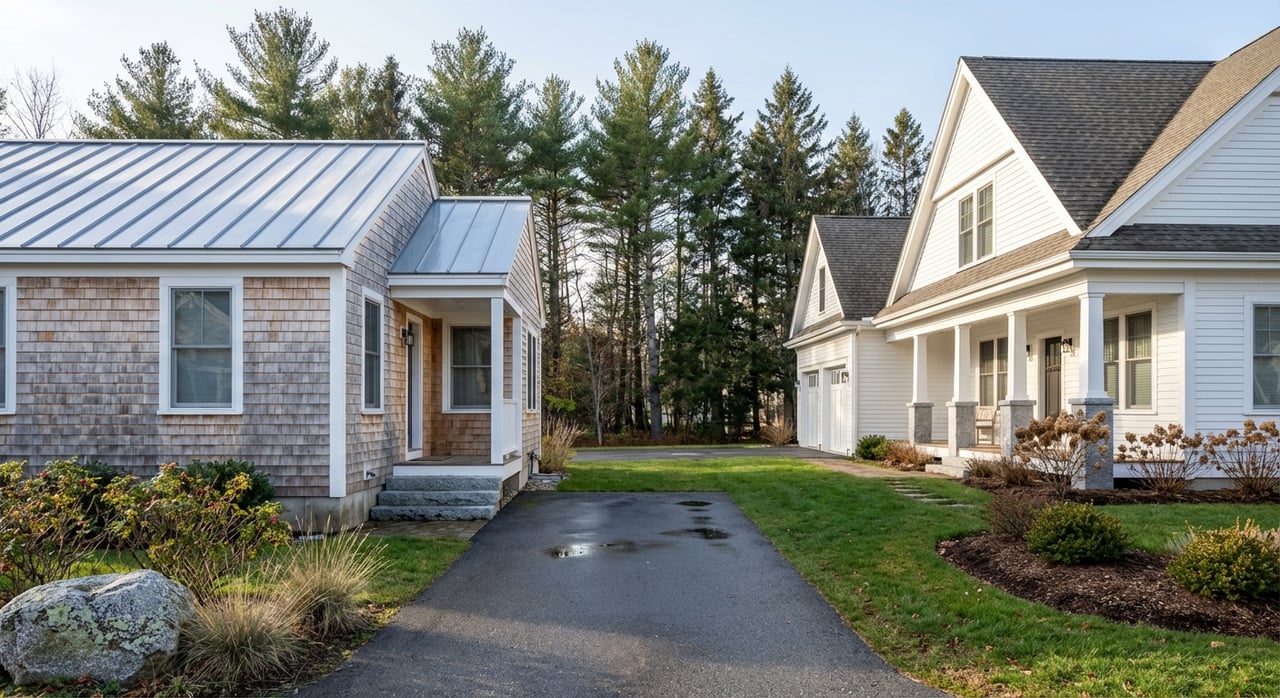
Interior neighborhoods such as Town Center and Elizabeth Park tend to offer larger lots, mature trees, and quieter streets. You will see colonials, capes, and ranches with traditional suburban layouts. Many buyers choose these areas for privacy and easier year‑round maintenance while staying close to schools, local services, and a quick drive to Portland.
Utilities and road access
Sewer service in Cape Elizabeth is segmented into northern and southern service areas and is operated with the Portland Water District. Some properties are on public sewer while others rely on septic systems. Always confirm a property’s status with town maps and the listing agent. The town’s sewer overview and service areas are summarized on the Cape Elizabeth Sewers page.
Why inland can be the right fit
- Lower exposure to coastal weather means fewer exterior projects over time.
- More privacy and space for gardens, play areas, or a workshop.
- Often simpler permitting for additions compared with homes inside the shoreland zone.
Costs and risk: taxes, insurance, and flood
Property taxes
Cape Elizabeth’s FY2025 rate is $11.00 per $1,000 of assessed value per the town announcement. Waterfront assessments can be higher due to land value and view premiums, but the same tax rate applies town‑wide. Always request the current assessed value and ask about any pending revaluations.
Flood zones, maps, and sea‑level tools
FEMA updated Flood Insurance Rate Maps in Cumberland County, which can change whether flood insurance is required by a lender. Local open houses were held to explain the updates, and you can review coverage in recent reporting on Cumberland County map changes. Before you write an offer, check the current FIRM panel for the property, and ask for any elevation certificate on file.
To understand long‑term exposure, use the NOAA Sea Level Rise Viewer. Enter the address, review local scenarios, and note areas where high‑tide flooding could increase over time. This is a screening tool, not a substitute for a survey, but it helps you compare one shoreline block to another in minutes.
Insurance near the coast
Flood insurance pricing under FEMA’s Risk Rating 2.0 is more individualized and considers distance to water, replacement cost, and building features. Some coastal owners have seen premiums change as a result. Read an overview of the program on Congress.gov. For any property within or near mapped flood zones, request quotes for both homeowners and flood insurance early in your process, even before you negotiate.
Shoreline rules and permitting basics
Shoreland zoning within 250 feet
Maine’s Mandatory Shoreland Zoning Act requires towns to regulate activities within 250 feet of the normal high‑water line or the upland edge of coastal wetlands. Setbacks, clearing limits, erosion controls, and septic standards all come into play. Review the state’s guidance and then confirm parcel‑specific rules with the Town’s Code Enforcement Office. Start with the Maine DEP shoreland zoning page.
Seawalls, docks, and intertidal work
Most shoreline structures require state permits and sometimes federal review. Get clarity early if you hope to rebuild a seawall, add a dock, or clear vegetation. The DEP site lists where to start, and your contractor will often coordinate technical submittals.
Home styles and price patterns
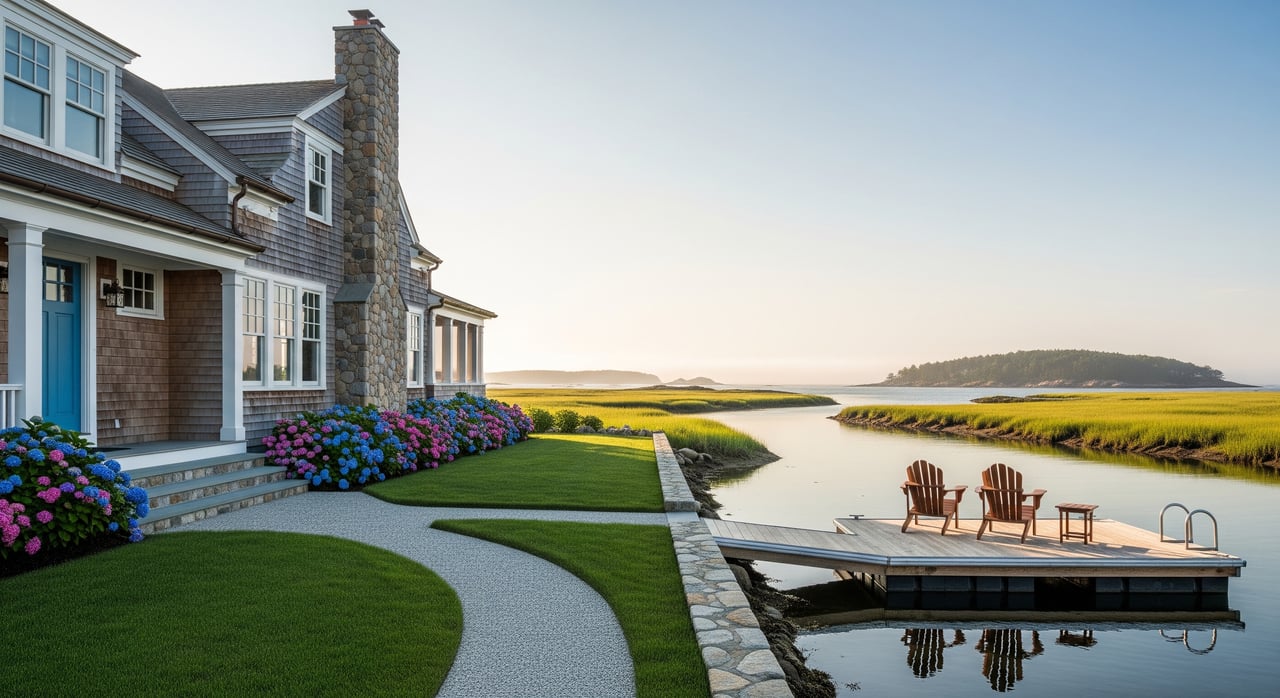
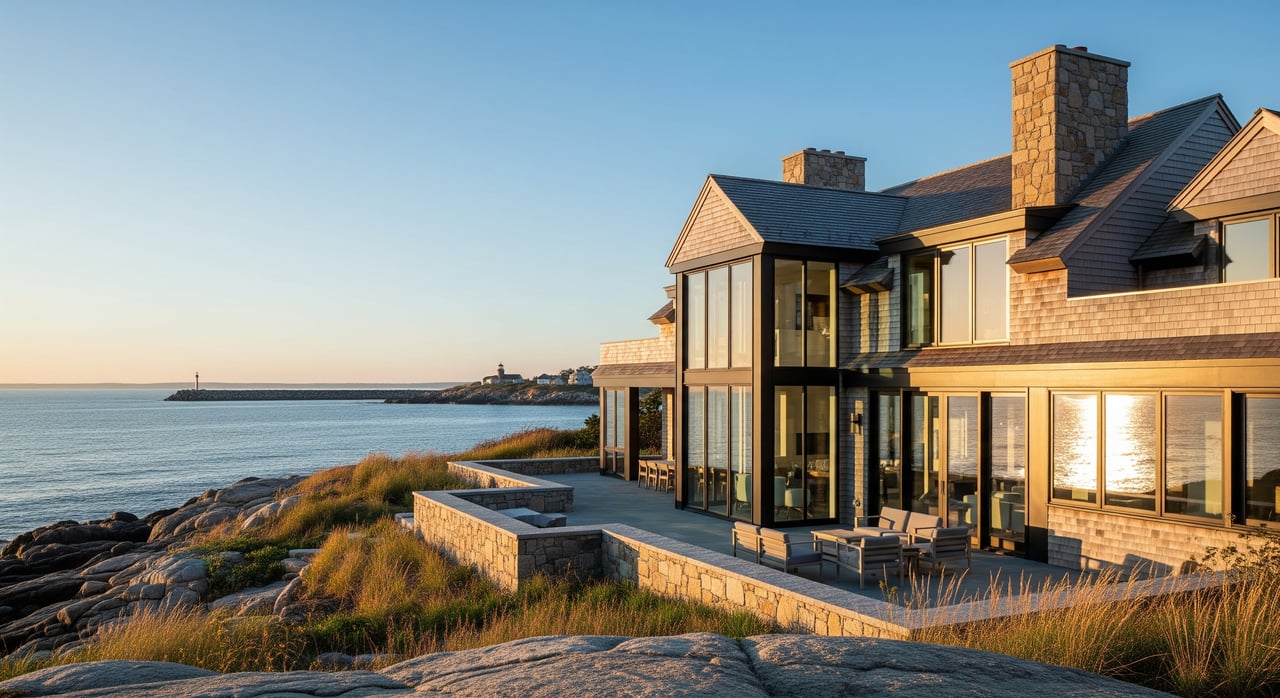
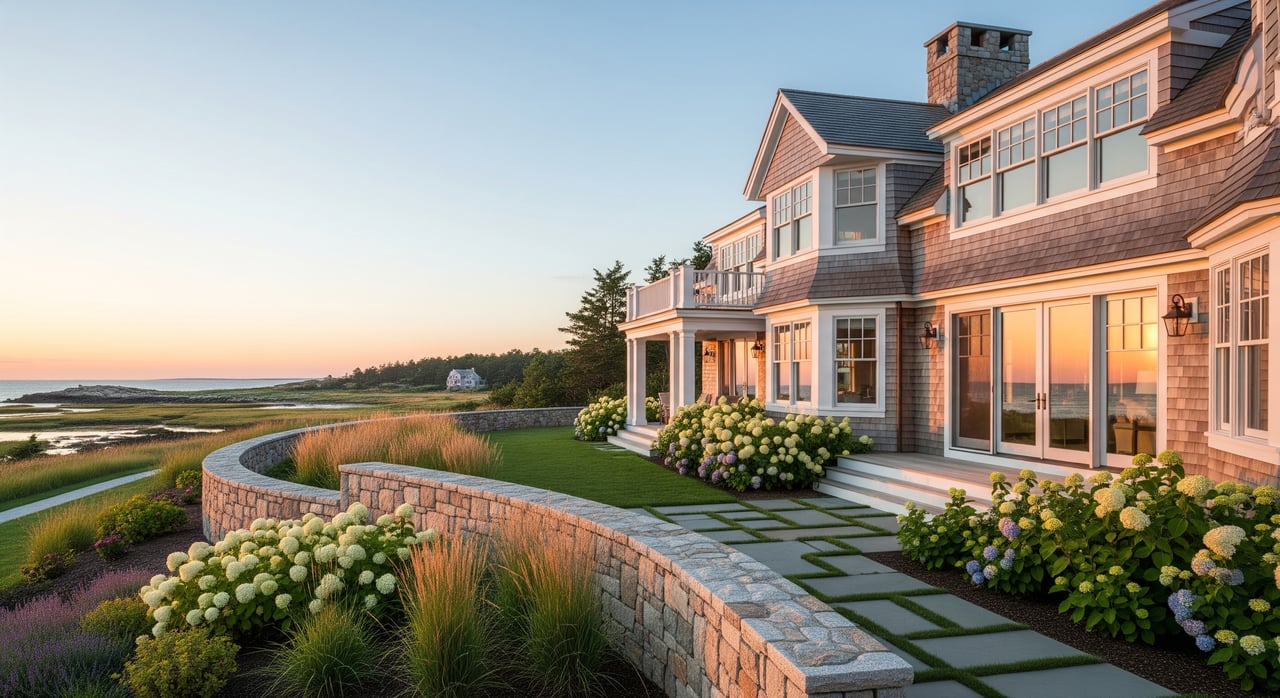
Waterfront homes in Cape Elizabeth often feature shingle style architecture, updated historic cottages, and modern custom builds that maximize ocean views. Prices range widely based on exposure, elevation, and house condition. Interior neighborhoods typically offer colonials, capes, and ranches at price points below the highest oceanfront sales, with more predictable maintenance and insurance costs.
There is a well‑documented proximity premium to water in many markets, but the size of that premium in Cape Elizabeth is site‑specific. Elevation, view corridor, beach or trail access, and renovation quality all matter. The best approach is to compare recent MLS comps within the exact micro‑area on the coast and match them against inland options in the same price band.
Infrastructure and maintenance on the coast
Salt spray, wind, and strong UV can speed up wear on exterior finishes. Plan for shorter paint cycles, regular deck and railing inspections, corrosion‑resistant hardware, and diligent roof and window care. If a property sits near a marsh or cove, ask about past drainage projects or culvert work. The town and regional partners periodically assess drainage and habitat priorities, as reflected in a culvert and habitat assessment study.
Which is right for you? A decision checklist
Use this simple checklist to narrow your search fast.
- Define your must‑haves. Do you want direct ocean views or is beach walking access enough? Would you trade views for a bigger yard, a quieter street, or lower ongoing costs?
- Screen flood and sea‑level exposure. Check the current FEMA FIRM, ask for any elevation certificate, and use the NOAA Sea Level Rise Viewer to visualize long‑term exposure.
- Request key documents early. Ask the listing agent for a recent survey, deed with any shore or access easements, septic permits if not on sewer, and any available insurance quotes for homeowners and flood. Review Risk Rating 2.0 basics on Congress.gov so you understand how carriers price flood policies.
- Confirm utilities. Use the town’s Sewers page to understand service areas and whether a property relies on public sewer or septic. Utility status can affect renovation plans and costs.
- Check shoreland rules. If a house lies within 250 feet of the water or a coastal wetland, call the Town’s Code Enforcement Office to discuss setbacks, clearing limits, and permits. Review the Maine DEP guidance before you plan a project.
- Verify any beach or path access. Shoreline access in Maine can be complex. Do not assume public or deeded access without documents. Ask for recorded easements and review town holdings. UMaine’s public trust summaries explain that recreation rights differ from fishing and navigation rights, which is why documents matter.
- Budget for maintenance. Waterfront homes often need more frequent exterior work. Build that into your ownership plan and ask sellers for maintenance histories.
- Compare micro‑market comps. Use 12 to 24 months of nearby waterfront sales to value a specific shoreline block. Then compare inland options in the same price band to test whether the tradeoffs are right for you.
Next steps
If you are deciding between Cape Elizabeth’s waterfront and inland neighborhoods, local context makes a big difference. From flood maps and sewer status to micro‑market pricing, a focused plan will help you move decisively when the right home appears. For clear guidance and a tailored search, connect with Tia Chambers. Schedule your free consultation and get an expert, client‑first advocate on your side.
FAQs
What counts as a “waterfront” home in Cape Elizabeth?
- In local practice, waterfront often refers to oceanfront or homes with direct ocean exposure, while some listings use “water view” for properties that see the sea but do not touch it. Micro‑areas include Two Lights, Kettle Cove, Crescent Beach, and Shore Road near Fort Williams.
Are property taxes higher on waterfront homes in Cape Elizabeth?
- The town uses a single tax rate for all properties, set at $11.00 per $1,000 of assessed value for FY2025. Waterfront assessments can be higher due to land and view value, so your bill depends on the assessed value, not a special rate.
How do I check flood risk before I make an offer?
- Review the current FEMA Flood Insurance Rate Map for the property, ask for any elevation certificate, and screen long‑term exposure with the NOAA Sea Level Rise Viewer. If a lender requires it, obtain a flood insurance quote early.
Will homeowners or flood insurance cost more near the ocean?
- Many coastal homes face higher or more variable premiums. FEMA’s Risk Rating 2.0 sets flood pricing by factors like distance to water and replacement cost. Request homeowners and flood quotes for the specific address before you negotiate.
Does every Cape Elizabeth home have public sewer service?
- No. The town has defined sewer service areas, and some homes use septic systems. Check the listing, ask the agent, and confirm with the town’s sewer maps for accuracy.
If I buy an ocean‑view home, do I automatically have beach access?
- Not necessarily. Access depends on recorded easements or public ownership. Always verify rights in the deed or survey rather than assuming public or private access exists.